Perimenopause Hair Thinning
Perimenopause Hair Thinning – Early Hormonal Hair Changes Explained
If you’re in your late 30s or 40s and noticing increased shedding, a widening parting, or hair that feels thinner than it used to — perimenopause may be the cause.
Perimenopause is the transitional stage before menopause, where hormone levels begin fluctuating unpredictably. Unlike menopause, oestrogen doesn’t simply decline — it rises and falls irregularly. These fluctuations can disrupt the hair growth cycle and trigger hair thinning years before periods fully stop.
Perimenopause hair thinning is common, but often misunderstood.
Why Hair Thins During Perimenopause?
During perimenopause, hormonal instability affects hair in several ways:
Fluctuating oestrogen shortens the hair growth phase
Increased androgen sensitivity weakens follicles
Stress and cortisol rise more easily
Iron levels and nutrient absorption may decline
These changes can lead to:
Sudden increase in shedding
Thinner ponytail circumference
Slower regrowth
Reduced hair density around the temples and crown
Dry, fragile strands
Early intervention is key. Supporting scalp health during perimenopause can help stabilise thinning before it progresses further.
A Natural Approach to Perimenopause Hair Thinning
Our perimenopause hair care collection is designed to:
Strengthen weakened follicles
Improve scalp circulation
Support healthier regrowth
Reduce excessive shedding
Protect against breakage
We use plant-powered ingredients traditionally valued in Ayurvedic hair care to nourish the scalp and support density without harsh chemicals. Consistent scalp massage, gentle cleansing and nutrient-rich pre-wash treatments help create a stronger foundation for growth.
Who Is This Category For?
This collection is ideal if you are experiencing:
Hair thinning in your 40s
Increased shedding during hormonal changes
Perimenopause-related hair loss
Stress-induced thinning linked to hormone shifts
Early signs of reduced density
If you’ve searched for:
“perimenopause hair thinning treatment UK”
“why is my hair thinning in my 40s”
“hormonal hair loss perimenopause”
“natural remedy for perimenopause hair loss”
You’re in the right place.
Support Your Hair Before Menopause
Perimenopause is the body’s early transition phase — and addressing hair thinning now can make a significant difference long term.
Explore our natural perimenopause hair thinning solutions and begin supporting your scalp, follicles and confidence through every hormonal stage.
Frequently Asked Questions
How do I know if my hair thinning is perimenopause?
Perimenopause hair thinning often shows up in your late 30s to late 40s and may come with other signs like irregular cycles, sleep changes, anxiety, hot flushes, or mood shifts. Hair changes often include increased shedding, a widening parting, and reduced volume at the crown and temples.
Why does perimenopause cause hair thinning?
During perimenopause, hormones fluctuate — especially oestrogen and progesterone. These shifts can shorten the hair growth phase, increase shedding, and make hair follicles more sensitive to androgens, leading to finer strands and reduced density over time.
Can perimenopause hair thinning grow back?
In many cases, hair can look fuller again when shedding is reduced and the scalp environment improves. Regrowth depends on the cause (hormones, stress, iron, thyroid, nutrition), so consistency with scalp care and addressing underlying factors matters.
What is the best natural approach to perimenopause hair thinning?
A supportive approach usually includes scalp massage to improve circulation, gentle cleansing that protects the scalp barrier, and consistent pre-wash scalp nourishment. Lifestyle factors like stress management, protein intake, and checking iron and thyroid markers can also help.
How long does it take to see results?
Hair growth cycles take time. Many people notice reduced shedding first, then improved strength and density over 8–12 weeks of consistent use. Visible changes often build gradually across several months.
Should I see a doctor for hair thinning in perimenopause?
If thinning is sudden, severe, patchy, or paired with symptoms like fatigue or heavy bleeding, it’s worth speaking with a GP. Testing iron/ferritin, vitamin D, thyroid markers, and reviewing stress and nutrition can help identify contributors.
Showing all 6 resultsSorted by price: high to low
-

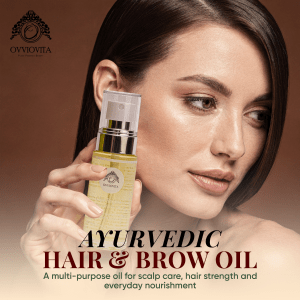
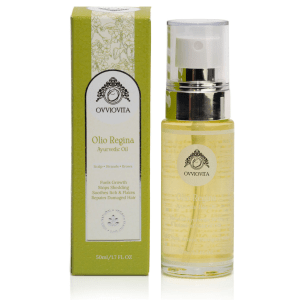
Olio Regina Ayurvedic Hair & Brow Oil
From £24.00 Select options This product has multiple variants. The options may be chosen on the product page -
Olio Divina Ayurvedic Oil For Hair Growth
From £24.00 Select options This product has multiple variants. The options may be chosen on the product page -
Olio Divina Hair Growth Ayurvedic Shampoo & Conditioner Set
From £42.00 Select options This product has multiple variants. The options may be chosen on the product page -
Hair Oil & Infrared Electric Applicator Set
£63.00 Select options This product has multiple variants. The options may be chosen on the product page -
Sale!
Olio Divina Anti Hair Loss Bundle
Original price was: £68.00.£48.00Current price is: £48.00. Add to basket -
Hormonal Hair Change Discovery Kit
£19.00 Add to basket